In 2026, Miami remains one of the most sought-after cities for international investors looking to allocate capital in Florida real estate and capture global demand across residential, corporate, and tourism segments. However, the real challenge for foreign investors is not simply buying in Miami, but buying in the right area, with the right property type, and with a realistic calculation of profitability and return on investment (ROI)—taking into account HOA fees, insurance, taxes, and regulations, especially those affecting short-term rentals.
Additionally, the market is entering a more selective phase. Demand remains strong, but profitability increasingly depends on micro-location, building-level costs, and rental strategy. This article provides a practical analysis of Miami’s premium areas—including Brickell, Wynwood, Edgewater, Miami Beach, Sunny Isles, Coconut Grove, and Coral Gables—designed specifically for investors from Colombia, Chile, Peru, and Ecuador, comparing opportunities, risks, and ROI scenarios for 2026.
Current Florida Real Estate Market Overview (Miami Focus 2026)
Florida continues to attract domestic migration and international investment, sustaining long-term real estate demand. At the national level, the market shows signs of rebalancing: in several regions there are more sellers than buyers, yet prices remain resilient due to downward price rigidity and the cost of financing.
In Miami, global interest is sustained by three structural factors:
- Ongoing international demand (LATAM, Europe, and Canada), driven by lifestyle, connectivity, and legal certainty.
- Urban transformation in areas such as Greater Downtown Miami (Wynwood, Edgewater, Arts & Entertainment District), with population growth projections and rental rates that have increased significantly in recent years.
- Regulatory and cost pressures requiring deeper due diligence: Short-term rental rules vary by municipality and county, and condominium regulations (inspections and reserve requirements) can directly impact HOA fees and investor cash flow.
For foreign investors, the opportunity in 2026 is not uniform: Miami rewards strategy, not improvisation.
Miami Premium Areas with Strong International Demand and ROI in 2026
A simple framework to choose the right area (instead of “following trends”)
Before analyzing neighborhoods, use this five-variable framework to evaluate any premium area:
- Rental demand (profile and depth): Executives, students, tourism, families
- Urban drivers: Employment, infrastructure, walkability, retail, new developments
- Asset costs: HOA, insurance, taxes, maintenance, property management
- Regulation: Short-term rentals (STR), building rules, zoning
- Exit strategy: Liquidity and appeal to international buyers
With this framework in mind, these are the most relevant areas for 2026.
Brickell: Financial Core, High Liquidity, and Executive Rentals
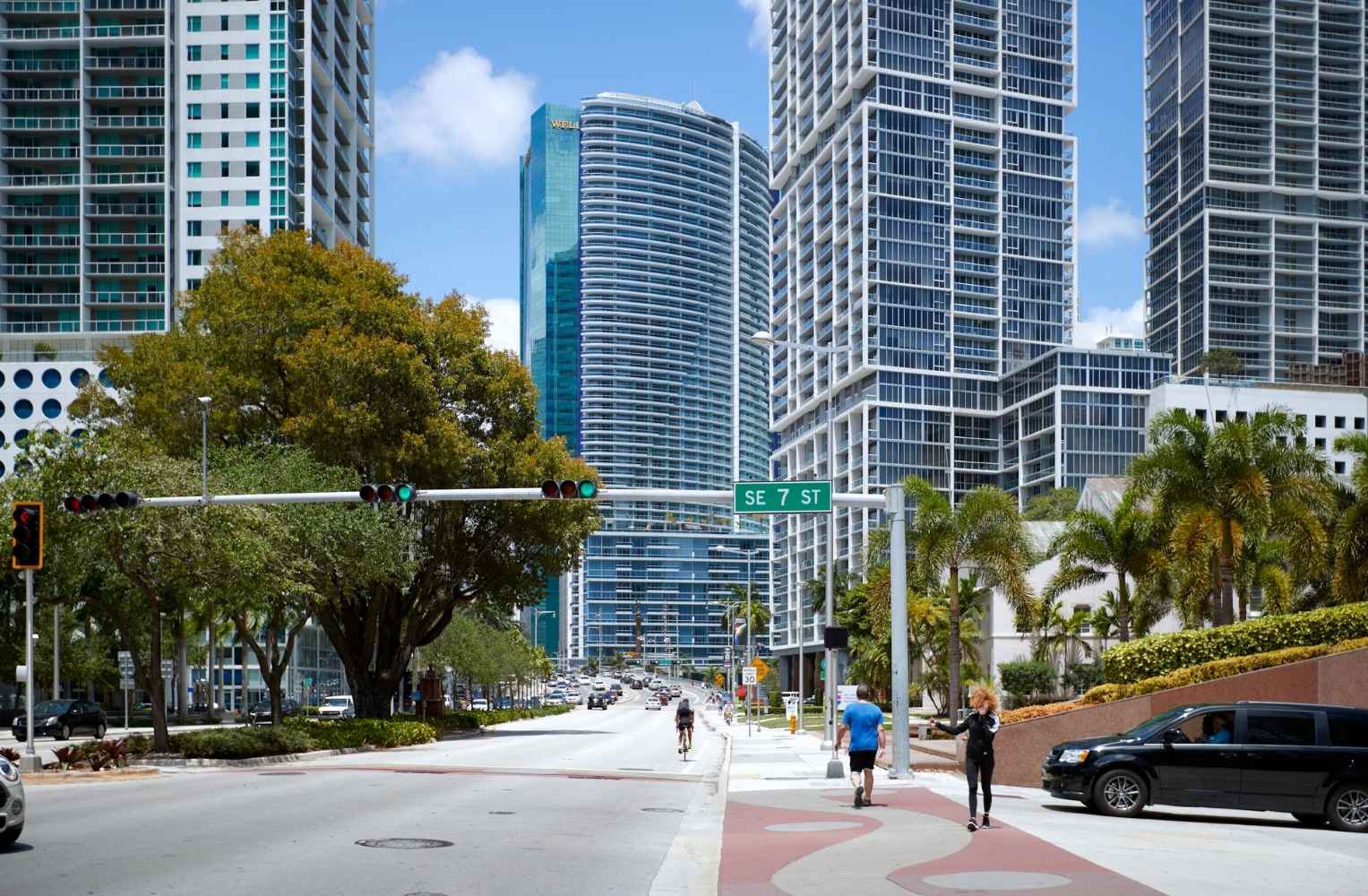
Brickell is one of Miami’s most internationally recognized neighborhoods. In 2026, its strength lies in resale liquidity and sustained rental demand from professionals and executives, particularly in mid- to high-end and luxury condominiums.
Common property types
- High-rise condominiums with amenities (gym, coworking spaces, pools)
- Units oriented toward corporate rentals (6–12 month stays)
Estimated ROI (2026 reference)
- Typically moderate compared to emerging areas due to higher entry prices and HOA fees
- Focus on net ROI, not gross returns (HOA, insurance, and property taxes make a material difference)
2026 key considerations
- Greater selectivity at the building level: Review reserves, inspections, and potential special assessments
- Brickell continues to receive new residential supply, which may increase rental competition in certain segments
Downtown / Arts & Entertainment District: Urban Growth and Sustained Rental Demand
Greater Downtown Miami (including Downtown and the Arts & Entertainment corridor) stands out for its demographic growth projections and strong rental market.
Why it matters to investors
- Population growth is projected through 2030, with a resident base that is increasingly educated and higher-income, supporting long-term rental demand
Recommended strategy
- Long-term rentals (12 months) or mid-term rentals (30+ days) where permitted
- Target units with a stronger price-per-square-foot ratio compared to Brickell
Edgewater: Premium Residential Living by the Bay, Close to Everything
Edgewater has positioned itself as a more residential premium alternative, strategically located between Downtown/Brickell and Wynwood/Design District. Its value lies in long-term rental demand and excellent connectivity.
What to evaluate
- Proximity to the bay, parks, and major access roads
- Buildings with solid HOA management and maintenance history
ROI outlook for 2026
- Can be competitive if acquired at the right price and with controlled costs, with upside potential as the Greater Downtown corridor continues to consolidate
Wynwood and Design District: Global Demand, but Watch Micro-Locations and Regulatory Noise
Wynwood and the Design District attract international investment due to their cultural identity, retail presence, and ongoing development. They are also areas experiencing natural tensions from rapid growth.
Strategic view for 2026
- Development momentum is strong, but not all of Wynwood behaves the same: Micro-location matters (street-by-street differences, zoning, noise, parking)
- These areas are increasingly integrated into Miami’s urban fabric; mobility and service expansion continues to reinforce their perceived centrality
Property types
- Boutique condos, new development units, and select formats appealing to creative professionals
ROI profile
- Can be high if appreciation is captured, but typically comes with higher volatility and sensitivity to market cycles
Miami Beach (South Beach and Surroundings): Global Brand, Highly Restricted STR
Miami Beach has enormous tourism demand, but for investors in 2026, short-term rental regulation is the critical factor.
- The city enforces strict restrictions: Short-term rentals (less than 6 months and 1 day) are prohibited in single-family homes and many multifamily buildings, depending on zoning districts.
What this means in practice
- Airbnb or VRBO strategies require very precise legal and zoning analysis
- For many foreign investors, Miami Beach works better as:
- a wealth-preservation / second-home investment, or
- a mid- to long-term rental in permitted building
Sunny Isles Beach: International Luxury and Second-Home Demand
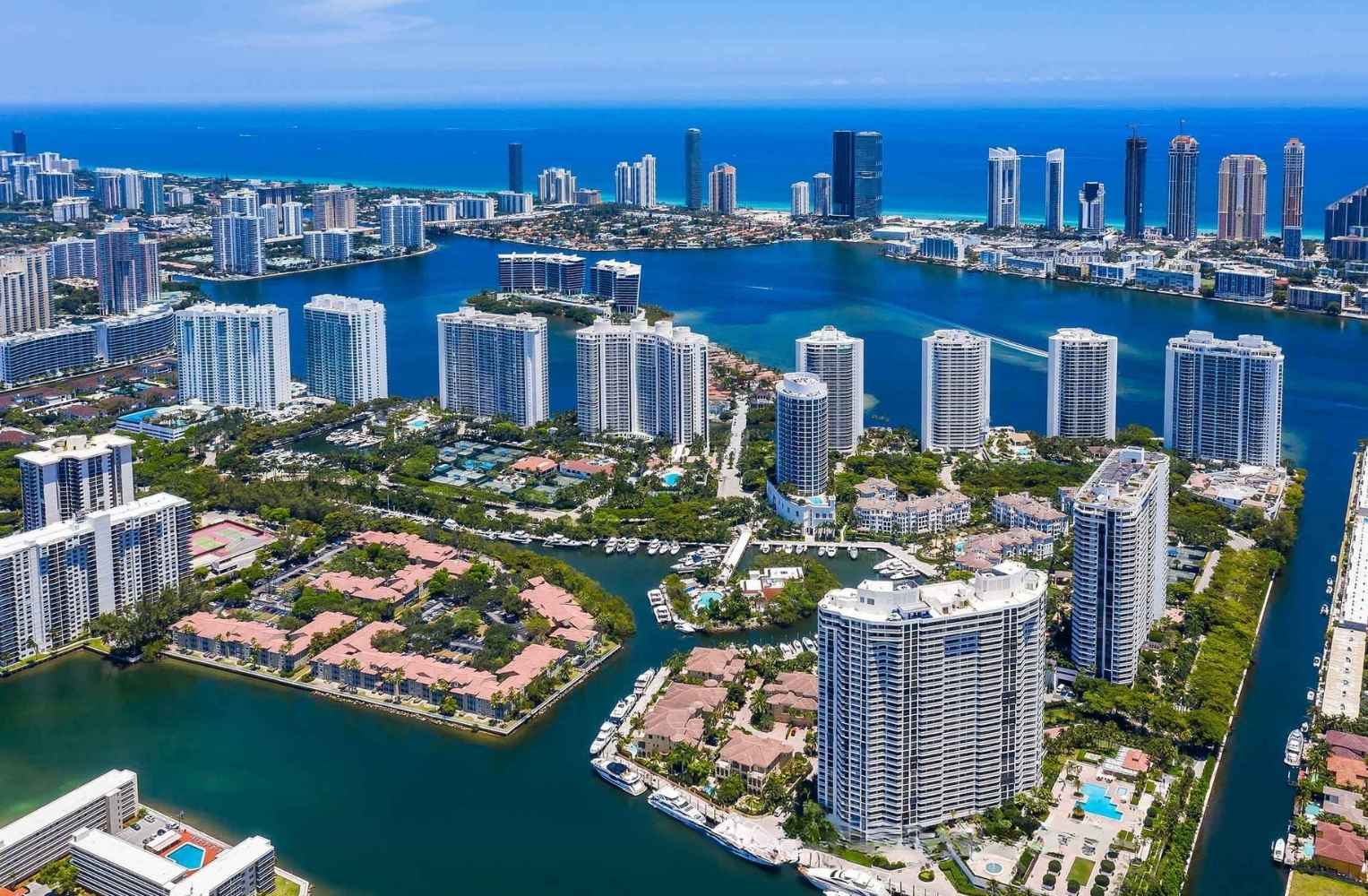
Sunny Isles is a magnet for international buyers—including LATAM investors—due to its beachfront profile, luxury towers, and high concentration of second-home owners.
2026 strategy
- More focused on capital preservation and appreciation
- Rental income can be attractive but depends heavily on building rules and HOA structure
- Enhanced due diligence is essential: HOA, insurance, and reserve funding
Aventura: Family Profile, Stability, and Long-Term Rentals
Aventura combines shopping, services, nearby schools, and strong connectivity. For foreign investors, it often represents a more stable “premium entry” market.
Best use
- Long-term rentals (families and professionals)
- Portfolios prioritizing stability and low tenant turnover
Coral Gables and Coconut Grove: Relative Scarcity and High-Quality Demand
These areas tend to preserve value due to location, a premium residential feel, and consistent demand.
Property types
- Townhomes and select residential units; in some cases, single-family homes when budget and operational capacity allow
ROI
- Lower immediate cash flow in many cases, but attractive in terms of resilience and long-term appreciation—when purchased correctly and costs are controlled
Property Types and ROI in 2026: What Tends to Work Best
1) Condominiums (High-Rise): Operational Efficiency with Mandatory Due Diligence
Pros
- Easier to manage remotely (especially for foreign investors)
- Amenities that support rental demand
Cons
- HOA fees and potential special assessments
- Inspection and reserve requirements may increase monthly costs in some buildings
2026 recommendation: Prioritize buildings with transparent finances, healthy reserves, and a solid operating history.
2) Townhouses: Balance Between Cost Control and Family Demand
Pros
- Strong long-term rental demand
- Fewer surprises than large condominium towers (depending on HOA)
Cons
- Limited inventory in premium locations
3) Short-Term Rental Properties: High Potential ROI, Higher Regulatory and Operational Risk
If your thesis involves STR, you must validate:
- City and county rules and licensing requirements
- Building-level rental policies (even if the city allows STR, the building may prohibit it)
- Professional management costs, which are critical to net performance
How This Applies to Investors from Colombia, Chile, Peru, and Ecuador
Colombia: Dollar Protection and Liquidity Focus
- Preference for core areas (Brickell, Downtown, Edgewater) due to liquidity and ease of resale
- Recommended strategy: Conservative long-term rentals and buildings with controlled costs
Chile: Rigorous Financial Analysis and Net ROI Priority
- In 2026, differentiation comes from modeling scenarios: HOA + insurance + vacancy
- Edgewater and Downtown may offer better efficiency than “prime core” areas if acquisition prices are favorable
Peru: Interest in Tourism and Mixed-Use Strategies
- For STR, choosing compatible jurisdictions and buildings is essential
- Avoid assuming that “Miami = unrestricted Airbnb”
- Miami Beach is particularly sensitive due to regulations
Ecuador: Asset Diversification and Stability
- Aventura, Coral Gables, and stable segments of Downtown/Edgewater align well with sustained demand and lower relative volatility
- Purchase structure and tax planning are important to avoid banking and transfer issues
In all cases, investing remotely is more feasible than ever thanks to digital processes—but real value lies in doing it methodically: area + asset + structure + rental plan.
Common Risks and Best Practices (No Surprises in 2026)
Typical risks for foreign investors
- Buying based on neighborhood “branding” without reviewing net ROI
- Ignoring short-term rental regulations and building rules
- Failing to audit HOA finances and reserves (risk of fee increases or assessments)
- Underestimating insurance and maintenance costs
Recommended best practices
- Request condominium documents (budget, reserves, assessment history)
- Verify building rental policies (minimum lease terms, approvals)
- Model three scenarios: Conservative / base / optimistic (with realistic vacancy)
- Work with real estate advisors and tax/legal professionals experienced with foreign investors
Frequently Asked Questions (FAQ SEO)
What is the best premium area to invest in Miami in 2026?
It depends on your objective: Brickell offers liquidity and executive demand; Edgewater and Downtown may improve price-to-rent efficiency; Sunny Isles is more wealth-preservation oriented.
What ROI can I expect in Miami in 2026?
ROI varies by area, building, and rental strategy. Net ROI in premium areas tends to be moderate to competitive and can improve with disciplined acquisition pricing and cost control.
Is Miami Beach good for Airbnb?
Not necessarily. Miami Beach has strict short-term rental restrictions depending on zoning and property type.
What should I review before buying a condominium?
HOA fees, reserves, inspections, maintenance history, rental rules, and potential special assessments.
Can I invest from Latin America without traveling?
Yes. Remote purchases are possible, but legal, banking, and due diligence validations must be handled by a professional team.
Investing in Miami real estate in 2026 remains a solid strategy for foreign investors, but the market demands precision. Not all premium areas deliver the same ROI, and costs and regulations can significantly impact results. Brickell and Sunny Isles tend to be more wealth-oriented and liquid; Downtown and Edgewater offer an attractive balance between demand and efficiency; Wynwood and the Design District can capture growth but require careful micro-location analysis. Miami Beach, while iconic, must be evaluated carefully due to short-term rental restrictions.
If your goal is to invest in Florida with a strategic focus, the safest path is to align area + property type + rental plan + tax/financial structure.
Personalized Advisory
If you are analyzing an investment in Miami—or comparing Miami versus Orlando—and want a recommendation based on your profile, budget, and country, you can request personalized advisory here:
https://floridahomegrouprealty.com/contacto/