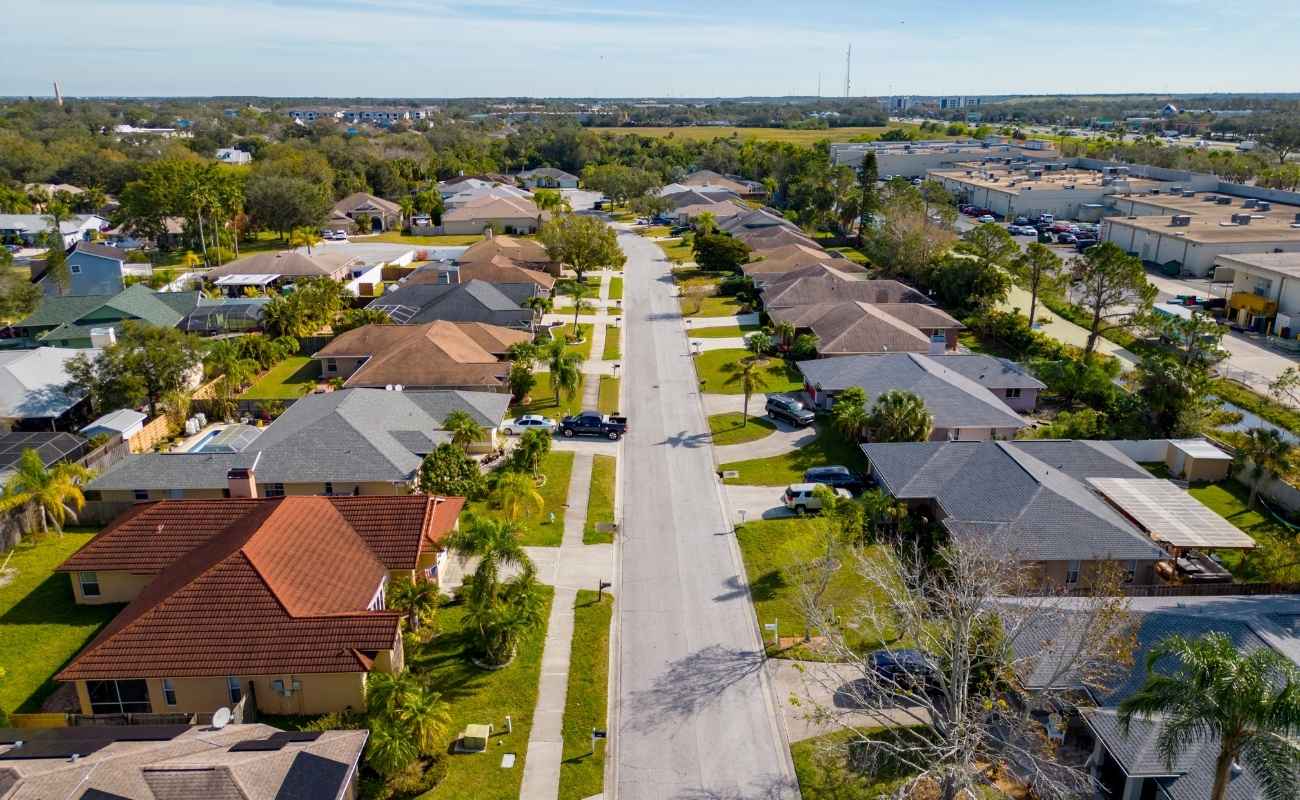
Investing in vacation properties has become one of the most popular ways to generate passive income and build heritage. Among all possible destinations in the United States, Orlando, Florida, stands out as one of the most attractive markets. Its constant flow of tourists, its accessible real estate market and its favorable tax environment make this city a very profitable option for those looking to buy a vacation home.
But before investing, it is essential to understand how the profitability of this type of property is measured. In this article, we explain what the ROI (return on investment), how to calculate it correctly in the context of vacation homes in Orlando, and what factors you should consider to optimize your investment.
What is ROI?
The ROI (Return on Investment) It is a metric that indicates the profitability of an investment. It is expressed as a percentage and calculated with the following basic formula:
ROI (%) = (annual net profit / total investment) x 100
where:
- Annual net profit = Rental income – operating expenses
- Total investment = Purchase price + initial expenses (renovations, furniture, closing taxes, etc.)
ROI allows you to compare different investments and evaluate which one offers better returns.
Why is Orlando ideal for holiday homes?
Before you go deeper into the calculation, it is important to understand why Orlando is one of the best places to invest in vacation properties:
- More than 70 million tourists a year (Prepandemic data).
- High demand on platforms like Airbnb and Vrbo.
- Close to attractions like Disney, Universal Studios, SeaWorld and more.
- Relatively low ownership costs compared to other large tourist cities.
- Favorable regulations for short-term rentals in specific areas.
These factors generate High occupancy rates and allow to establish competitive daily rates, which directly impacts a ROI positive.
Key elements to calculate the ROI of a vacation home
To obtain an accurate calculation of the ROI, you should consider both the estimated income and the annual expenses related to the operation of the property.
1. Gross income for rent
It will depend on the Price per night that you can collect and Annual occupancy percentage.
Formula:
Gross income = average price per night × Number of occupied nights per year
Example:
- Average price per night: $200
- Average occupancy: 70% (256 nights per year)
Gross income = $200 × 256 = $51,200 per year
2. Annual operating expenses
Includes all costs related to the management and maintenance of the property:
- General maintenance and repairs
- Cleaning between guests
- Public services (water, electricity, Internet, etc.)
- Property insurance
- Property taxes
- Platform commissions (Airbnb charges between 3% and 14%)
- Property management (if you use a management company)
Estimated example of expenses:
| Concept | Annual amount (USD) |
| Maintenance and cleaning | $5,000 |
| Public services | $3,000 |
| Sure | $1,200 |
| Property taxes | $3,500 |
| Airbnb commissions | $4,500 |
| Professional management (20%) | $10,240 |
| Total annual expenses | $27,440 |
3. Annual net profit
Net profit = gross income – operating expenses
In the previous example:
Net profit = $51,200 – $27,440 = $23,760
ROI calculation
Now that you have the annual net profit, you need to know the total investment made.
Suppose:
- Purchase Price: $350,000
- Closing costs: $8,000
- Furniture and decoration: $15,000
- Minor renovations: $7,000
Total investment = $350,000 + $8,000 + $15,000 + $7,000 = $380,000
Applying the formula:
ROI = ($23,760 / $380,000) × 100 = 6.25%
What is considered a good ROI?
In the short-term real estate market, a ROI from 6% to 10% It is considered good, depending on the risk, location and strategy of the investor. In highly demanded areas like Orlando, some investors get ROI greater than 10%, especially if:
- They bought during pre-sale phases.
- They manage the property on their own.
- They optimize prices per night in high seasons.
Factors that can improve or affect your ROI
Factors that improve ROI:
- High occupancy rate (by strategic location).
- Efficient price management (use of tools such as PriceLabs or Wheelhouse).
- Effective marketing on rental platforms.
- Attractive and functional decoration.
- Quality customer service (good reviews generate more reservations).
Factors that reduce ROI:
- Cleaning or maintenance fees too high.
- Low seasonal demand or location away from attractions.
- Local regulations restricting short-term rental.
- High commissions for management services.
ROI vs Cash on Cash Return
It is important not to confuse the ROI with the cash on cash return, another metric used when the purchase is made with financing.
Formula:
Cash on Cash Return = Annual Net Profit / Capital Contributed by Investor
If you buy with a mortgage loan and only put, for example, the 20% hitch, your Return on invested cash It could be significantly higher, although with more risk and associated financial costs (loan interest).
calculate the ROI of a vacation home Orlando It is an essential step before making any investment decision. This metric allows you to understand how much return you can expect on the capital invested and helps you compare between different property options.
With its growing tourist demand, favorable regulation and still affordable prices, Orlando offers ideal conditions for an attractive ROI. However, profitability depends on careful management, rigorous financial analysis and a smart strategy.
Investing in a vacation home can not only generate passive income, but also be an excellent tool for heritage diversification. With the right information and a professional approach, you can maximize your return and build a solid and sustainable investment in the long run.
Schedule your personalized advice today Florida Homegroup Realty and takes the first step towards an intelligent and profitable investment in the sunny state of Florida!