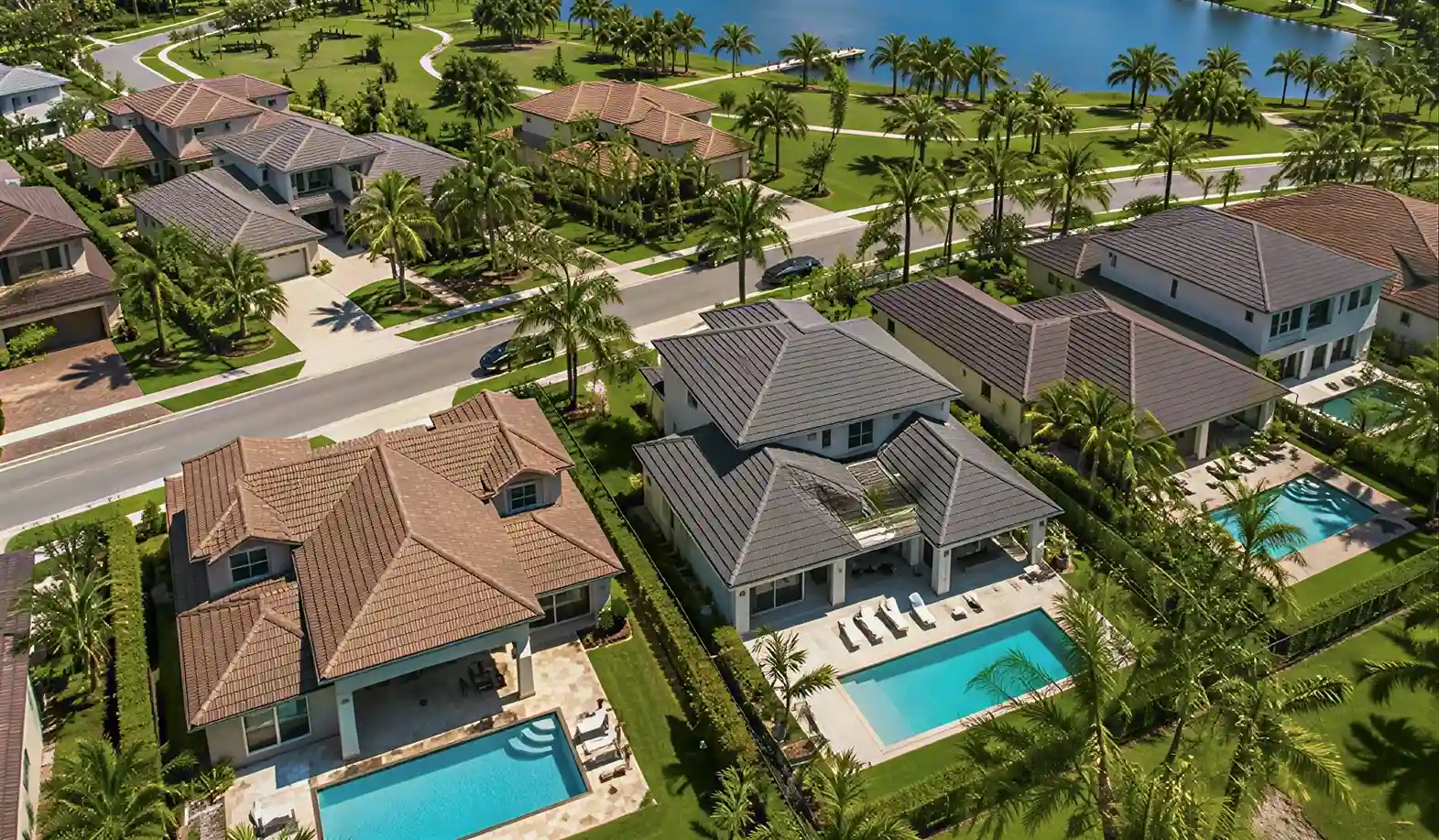
Kissimmee is the most active vacation rental market in Central Florida. Proximity to Disney, Universal, and the main theme parks generates tourist demand that doesn’t depend on a single season, there’s a steady flow of visitors nearly year round. For an investor, that translates into the strongest short-term rental income potential in the greater Orlando area, with estimated cap rates between 7% and 9%.
But there’s one condition that shapes everything: the community has to allow short-term rental. Don’t assume it does. Many properties in Kissimmee’s tourist areas sit inside HOAs that prohibit Airbnb, and finding that out after closing is a mistake with no quick fix.
To compare Kissimmee against other investment strategies (living in it, long-term rental, mixed rental), check our full guide to real estate investment in Orlando 2026.
Why Kissimmee dominates the Kissimmee rental market and Central Florida’s vacation sector
Geography explains part of it: Kissimmee sits less than 20 minutes from Disney World and 30 from Universal. But there’s more to it than distance. Osceola County, where Kissimmee is located, has more permissive short-term rental regulation than other Florida counties, and that drew developers for years to build entire communities oriented toward tourists: private pools, sport courts, play areas, themed amenities. Communities that let a family visiting the parks choose a house with a pool over a hotel room.
That’s what drives demand. And that demand is structural, not speculative.
Communities that allow short-term rental in Kissimmee
Not every community in Kissimmee allows short-term rental. The ones that do, and that have a solid occupancy track record, are the ones worth analyzing.
Storey Lake. One of the most active in the market. Allows short-term rental, has resort-style amenities (lazy river, indoor pool, basketball court), and sits close to Disney. High demand from Latin American and European families.
Windsor Island and Windsor Hills. Communities built specifically around vacation rental. Windsor Hills has years of occupancy history and is one of the most recognized names in the market. Windsor Island is newer, with updated amenities and solid demand on booking platforms.
ChampionsGate. Technically in Davenport, but functions as an extension of the Kissimmee market. Offers a premium product (larger homes, club amenities) and strong demand from family groups looking for space. It’s a step up in purchase price, but also in income potential. If you want to compare this area against other parts of Orlando outside the tourist corridor, check our comparison of the best neighborhoods in Orlando to invest in.
Solara Resort. A newer community with an indoor-beach theme and high demand during peak season. Approved for short-term rental with solid visibility on Airbnb and VRBO.
Reunion Resort. The most premium product in the corridor. Golf, spa, multiple pools. The purchase price is significantly higher, and so is the traveler profile. It’s not the entry point for a first-time investor, but it makes sense for a more advanced portfolio.

Profitability and occupancy: what to expect in 2026
The estimated cap rate for vacation rental in Kissimmee runs between 7% and 9%. But that range hides important variation depending on community, property size, furnishing quality, and pricing strategy. To see how these entry prices compare to other Orlando areas, check home prices in Orlando by area.
What you can generally expect for 2026:
- Occupancy: between 60% and 75% annually in established communities, with peaks in summer, Easter week, and the December holidays.
- Average daily rate (ADR): varies by size and community; a well-equipped 4-bedroom home can run between $180 and $300 per night in shoulder season.
- Gross annual income: depends directly on occupancy and ADR, don’t rely on a seller’s projections without validating them against AirDNA or the property’s actual historical data.
- Management cost: between 20% and 30% of gross income if you use professional management, which is practically mandatory if you don’t live in the US.
Net ROI (after HOA, management, maintenance, insurance, and tourist taxes) typically lands between 4% and 6% on well-chosen properties. The 7-9% figure is gross cap rate; net is what matters when evaluating whether the investment makes sense.
Risks and rules to verify before buying
- Short-term rental approval: city, county, and HOA. These are three separate levels, and all three need to align. Osceola County allows short-term rental in tourist zones, but the city may add restrictions, and the HOA can prohibit it even if the county allows it. Verify all three before making an offer.
- Licenses and taxes. In Florida, vacation rental requires a DBPR license (Department of Business and Professional Regulation) and collection of the county’s tourist tax. Platforms like Airbnb and VRBO collect the tourist tax automatically in most cases, but the DBPR license is the owner’s responsibility.
- Setup costs. A vacation home needs to be furnished and equipped before it can be listed. Depending on size, this initial cost can run between $15,000 and $35,000. It’s a capital expense that needs to be included in the profitability analysis from the start.
- Seasonality. Demand in Kissimmee has clear peaks: summer (June-August), Easter week, and the Christmas and New Year holidays. February and September are the slowest months. A realistic profitability analysis needs to use average annual occupancy, not just the good months.
Is it worth buying for short-term rental in Kissimmee in 2026?
Yes, with conditions. The buyer’s market that exists in 2026 (more inventory, flat prices, sellers willing to negotiate) is favorable for entering. The area’s tourist demand is structural and doesn’t depend on a single event or season.
But real profitability depends on choosing the right community, verifying permits, calculating net ROI with real data, and having a reliable management team. A poorly chosen property in Kissimmee can end up returning less than a dollar-denominated bond.
Frequently asked questions about the Kissimmee rental market
What kind of returns does a vacation home in Kissimmee generate?
The estimated cap rate is 7% to 9% gross. Net, after management costs, HOA, maintenance, and insurance, typically lands between 4% and 6% on well-chosen properties. Always calculate net ROI with real occupancy data, not a seller’s projections.
Do all communities in Kissimmee allow Airbnb?
No. You need to verify three levels: the county, the city, and the HOA. Osceola County has favorable regulation, but the HOA can prohibit short-term rental even if the broader legal environment allows it. Never assume it’s allowed without confirming it in writing.
Do I need to be in Florida to manage a vacation property in Kissimmee?
No, but you need a local management company. Managing short-term rental involves check-in, cleaning, maintenance, and guest support, it’s not something you can run remotely without a team on the ground. The management cost (20-30% of gross income) is part of the business model, not optional.
Want to see available properties in Kissimmee that allow short-term rental? Check homes for sale in Kissimmee or tell us your budget and we’ll send you options filtered by community. Manage your Kissimmee property with us through our local team.