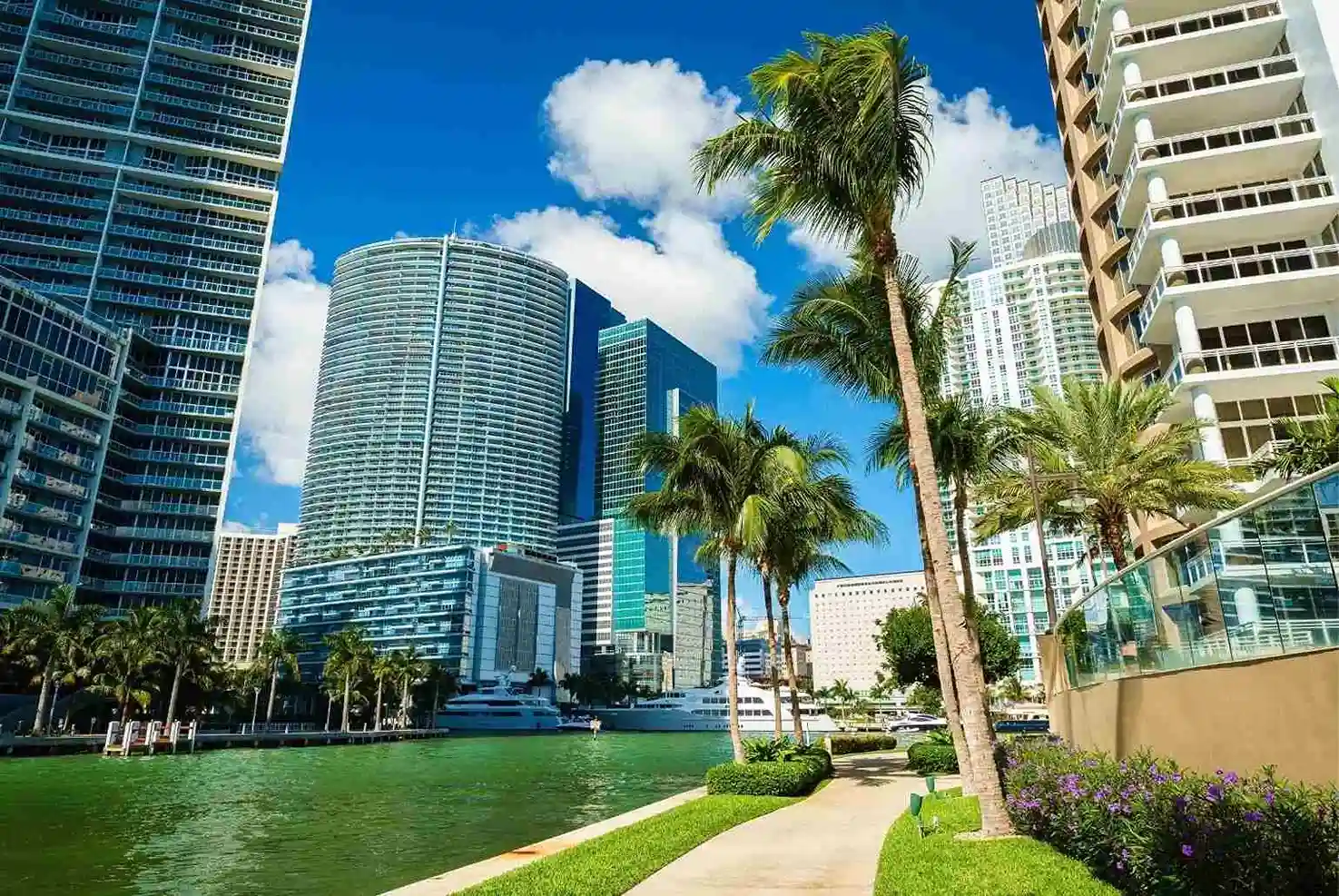
Choosing the right area is close to 70% of the success of a Miami investment. There’s no single “Miami”: every neighborhood has a different tenant profile, entry price point, and strategy (rental income or appreciation). In 2026, with a more balanced market (median price of $582,000, down 1.2% from last year, and more condo supply available), investors have more room to negotiate and choose wisely. This guide compares the best investment areas in Miami and tells you which objective fits each one.
If you haven’t yet defined your investment goal before choosing an area, check out our full Miami real estate investment guide 2026 first.
How to choose the right area
Before you look at areas, define your goal: rental cash flow, appreciation, or a mixed approach. Then cross-reference three variables per area: rental demand (who rents there), appreciation potential, and real costs (insurance and HOA fees, which in Miami can completely change the return). With that, choosing an area stops being about aesthetics and becomes strategic. If your profile points toward the premium segment, it’s worth reviewing the luxury neighborhoods in Miami before comparing cap rates.
Miami investment area comparison
| Area | Profile | Price point | Best for | Estimated cap rate |
|---|---|---|---|---|
| Brickell | Financial, urban | Mid-to-high | Rental cash flow | 6-8% (long-term) |
| Edgewater | On the bay, rising | Mid-to-high | Appreciation | 10-12% appreciation (pre-sale) |
| Wynwood | Art and lifestyle | Mid | Rental / value | 7-9% (vacation rental where allowed) |
| Doral | Family-oriented, Latin | Accessible-to-mid | Stable long-term rental | 5-7% |
| Sunny Isles / Bal Harbour | Waterfront luxury | High | Appreciation / personal use | 10-12% appreciation |
| Coral Gables / Coconut Grove | Premium family | High | Lifestyle + value | 5-7% |
| Downtown / Arts & Entertainment District | Emerging, high density | Mid | Long-term / mid-term rental | 6-8% |
| Aventura | Family-oriented, stable | Mid-to-high | Long-term rental, low turnover | 5-7% |
| Miami Beach | Tourist, STR restricted | High | Personal use / mid-to-long-term rental | Varies by building |
Approximate figures (Miami market 2026; FHG projections). Verify prices, occupancy, and HOA fees per building with the local MLS before making an offer.

Brickell
Miami’s financial district: skyscrapers, urban living, and steady rental demand among professionals and executives. It’s one of the best areas for cash flow and liquidity, with mid-to-high price points. Modern condos with amenities rent quickly; check HOA fees, which tend to run high here.
Strategy: long-term rental to professionals; mid-term rental potential for digital nomads and executives on assignment.
Edgewater
On the bay and in the middle of a resurgence, Edgewater concentrates waterfront pre-construction with strong appreciation potential. It’s the preferred area for investors seeking appreciation by buying pre-sale with staged payment plans and selling or renting at delivery. Verify the developer and the construction timeline.
Strategy: pre-construction for appreciation; rental at delivery.
Wynwood
The art and lifestyle neighborhood, with rental demand from young professionals and creatives. Adaptive reuse (from industrial to residential/mixed use) and new developments have driven up its value. A good combination of rental income and appreciation; check which buildings allow short-term rentals.
Strategy: rental to young professionals; short-term rental potential where the community allows it.
Doral
Family-oriented, commercial, with a strong Latin community, Doral is one of the most accessible and stable areas for long-term rental. Single-family homes and townhouses dominate, with demand from families and local businesses. Less volatile than coastal areas and generally more reasonable HOA fees.
Strategy: stable long-term rental to families; a good entry point for a first-time investor.
Sunny Isles and Bal Harbour
Waterfront luxury: high price point, international demand, and a focus on appreciation and personal use. These are premium condo markets with luxury brands; long-term appreciation is strong, but insurance and fees are high. Ideal for investors who combine investment with personal vacation use.
Strategy: long-term appreciation plus personal use; luxury pre-construction.
Coral Gables and Coconut Grove
Premium family-oriented areas, tree-lined, with stable residential demand. They combine quality of life with sustained value: less tenant turnover and good capital preservation. High price points and more limited inventory.
Strategy: capital preservation and premium long-term rental.
Downtown / Arts & Entertainment District
Greater Downtown (Downtown plus the Arts & Entertainment corridor) has the strongest projected population growth on this list, with a strong rental market and a highly educated resident base. It offers a better price-per-square-foot ratio than Brickell, with growing rental demand.
Strategy: long-term (12-month) or mid-term (30+ day) rental where the building allows it.
Aventura
A stable, family-oriented profile: shopping centers, services, schools, and good connectivity. It’s a low-turnover “entry premium” area, less volatile than the luxury coastal zones.
Strategy: long-term rental; portfolios that prioritize stability over maximum return.
Miami Beach
Enormous tourist demand, but with a legal nuance you need to verify before buying: rentals of less than 6 months and 1 day are prohibited in many single-family homes and multifamily buildings, depending on the zoning district. For the foreign investor, it tends to work better as a wealth-preservation investment (second home) or mid-to-long-term rental in buildings that do allow it. If your plan is Airbnb, get a legal and zoning review before making an offer. Compare alternatives with a similar profile in the best luxury neighborhoods in Miami.
Strategy: personal use or mid-to-long-term rental verified by building; don’t assume short-term rental without confirming.
Which area of Miami is best to invest in for 2026?
It depends on your goal. For rental cash flow: Brickell, Doral, and the Downtown/Arts & Entertainment District. For appreciation: Edgewater and Sunny Isles/Bal Harbour, especially in pre-construction. For lifestyle and sustained value: Wynwood, Coral Gables, Coconut Grove, and Aventura. If you want a second home with tourist demand: Miami Beach, always verifying short-term rental regulation before buying. In every case, verify HOA and insurance costs per building: in Miami, those two variables define real ROI more than the neighborhood does.
Risks to verify by area
- Insurance: higher in coastal areas (Sunny Isles, Bal Harbour, Edgewater, Miami Beach); get a quote from the start.
- HOA fees and assessments: following Milestone inspections, some condos are charging special assessments; review the building’s reserve fund status before buying.
- Short-term rental rules: not every area or building allows Airbnb; verify city, county, and association rules before assuming vacation rental is viable, especially in Miami Beach.
Frequently asked questions
Which area of Miami is best to invest in for 2026?
It depends on your goal: Brickell and Doral for rental cash flow; Edgewater and Sunny Isles for appreciation; Wynwood, Coral Gables, and Aventura for lifestyle and value. Verify HOA and insurance per building.
Which Miami neighborhood is most profitable for rentals?
Brickell and Doral, due to steady tenant demand. Vacation rentals (where allowed) run around 7-9% cap rate, and long-term rentals around 6-8%, always calculated on net ROI.
Where should I invest in Miami for appreciation?
Edgewater and Sunny Isles/Bal Harbour, especially in waterfront pre-construction (10-12% estimated appreciation at delivery).
How much does it cost to invest by area in Miami?
Miami’s median price is around $582,000 (down 1.2% year over year). Doral and Wynwood are more accessible; Brickell and Downtown are mid-to-high; Sunny Isles, Bal Harbour, and Miami Beach are the highest.
Where should I buy for Airbnb in Miami?
Not every area allows it. Wynwood and some Brickell buildings work where the community authorizes it; Miami Beach has strong zoning restrictions that need to be verified case by case before buying for that purpose.
Want to see properties in these areas? Browse the investment properties in Miami, check out pre-construction in Miami, financing for foreign buyers, or taxes foreign investors pay. Or go back to the full guide: Invest in Miami. We’ll help you choose the right area with data, arrange financing, and manage your property from start to finish.