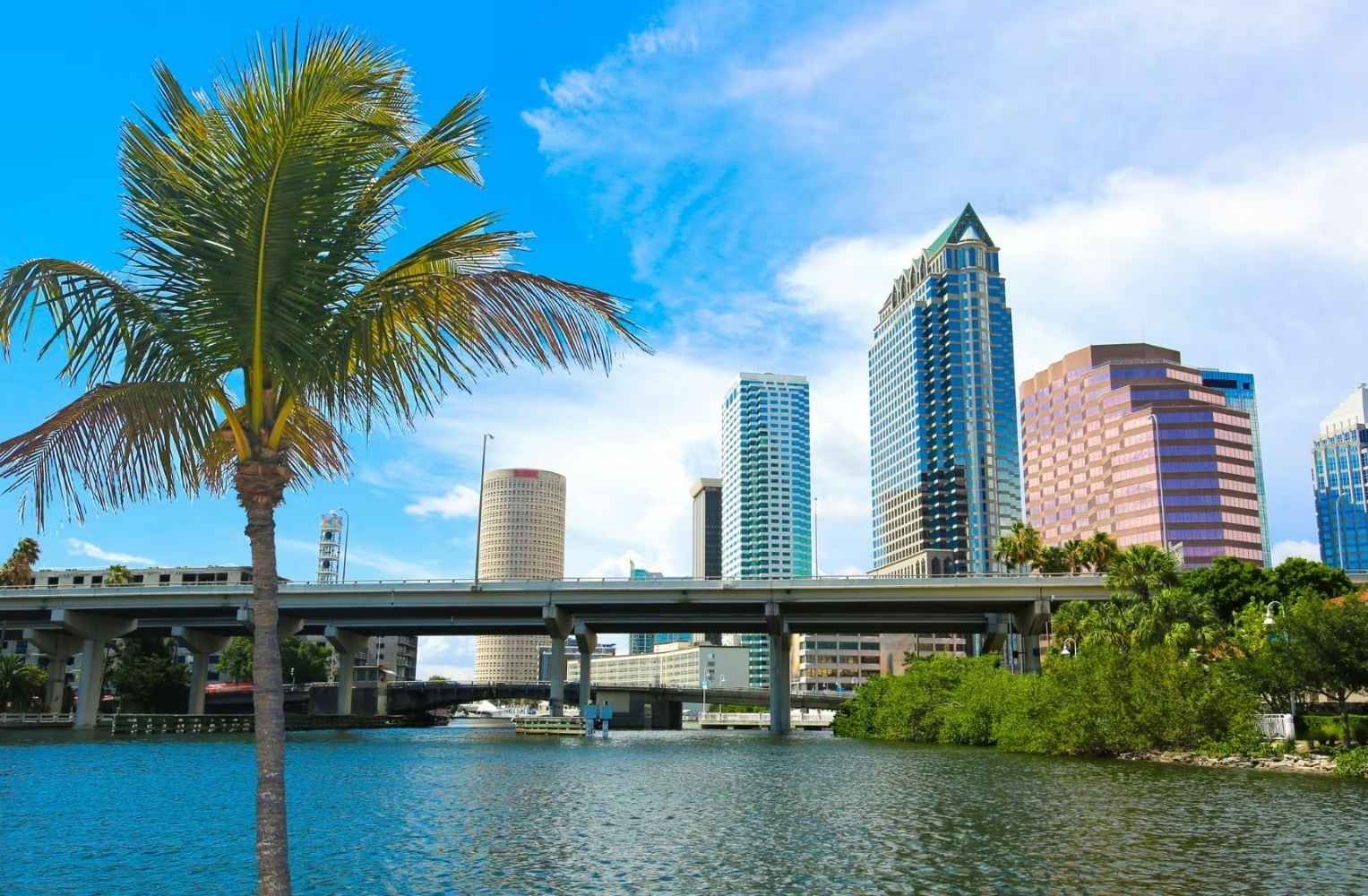
Investing in Tampa in 2026 has become an increasingly attractive alternative for Latin American investors looking to diversify their real estate portfolio in Florida, access growing markets, and explore opportunities beyond traditionally well-known cities such as Miami or Orlando.
For investors from Colombia, Mexico, Peru, Ecuador, Honduras, and El Salvador, Tampa represents a market with solid fundamentals, sustained economic growth, and a residential-urban profile that combines stability with medium- and long-term potential.
At Florida HomeGroup Realty, backed by more than 19 years of experience helping international investors, we analyze the best areas in Tampa to invest in 2026, which property types perform best, and what investor profiles are best suited for this market.
Why invest in Tampa in 2026?
Tampa has gained relevance within Florida’s real estate market due to a combination of structural factors.
Key reasons to consider Tampa include:
- Consistent population growth
- Expansion of the financial, technology, and healthcare sectors
- Internal migration from other U.S. states
- Urban renewal in key areas
- Property prices that remain more accessible than Miami
Unlike more mature markets, Tampa still offers room for progressive growth, attracting investors with a strategic mindset.
Can a foreigner invest in real estate in Tampa?
Yes. Foreigners can legally invest in real estate in Tampa without being U.S. residents or citizens.
Investing from Latin America is common, provided the proper legal, tax, and financial structures are in place.
Our agents, who are also investors, help each client determine whether Tampa aligns with their wealth goals and risk tolerance.
South Tampa: residential stability and strong demand
South Tampa is one of the city’s most established and highly sought-after areas.
Key characteristics include:
- Established residential neighborhoods
- Proximity to business and commercial districts
- Strong long-term rental demand
- Family and professional tenant profile
This area is ideal for investors seeking stability and lower volatility, particularly in residential properties.
Downtown Tampa: urban renewal and growth
Downtown Tampa has undergone significant transformation in recent years.
Key advantages include:
- Urban redevelopment projects
- Vertical and mixed-use developments
- Proximity to employment centers
- Strong appeal to young professionals
This area may offer progressive growth, though it requires careful project and property-type analysis.
Tampa Heights: an emerging area with potential
Tampa Heights is one of the most closely watched emerging areas by investors.
Highlights include:
- Proximity to Downtown
- Renovation projects and new developments
- Still-competitive pricing
- Medium-term appreciation potential
This area is suitable for investors with moderate risk tolerance.
Westshore: connectivity and corporate profile
Westshore is one of Tampa’s main commercial districts.
It is characterized by:
- Close proximity to the airport
- Offices, hotels, and retail centers
- Professional rental demand
- Excellent access to services
It performs well for investors seeking properties aligned with corporate and employment hubs.
What types of properties perform best in Tampa?
The right asset depends on the area and the investor’s objectives.
Single-family homes
- Strong residential demand
- Stable tenants
- Wealth-building strategy
Urban condominiums
- Attractive to professionals
- Lower maintenance
- Strategic locations
Renovation and redevelopment projects
- Require deeper analysis
- Growth-oriented potential
- More active investor profile
How much does it cost to invest in Tampa in 2026?
Prices in Tampa vary by area and property type.
In addition to the purchase price, investors should consider:
- Closing costs
- Property taxes
- Insurance
- Maintenance expenses
- Possible homeowners association (HOA) fees
Understanding total costs is essential for accurate investment evaluation.
What taxes does a foreigner pay when investing in Tampa?
A foreign investor may be subject to:
- Property tax
- Taxes on rental income
- FIRPTA withholding tax upon sale
Proper tax planning from the beginning helps protect long-term wealth.
Common mistakes when investing in Tampa
Some frequent mistakes include:
- Purchasing without analyzing the specific area
- Assuming all Tampa neighborhoods perform the same
- Underestimating operating costs
- Not using professional property management
- Lacking a clear investment strategy
Avoiding these mistakes makes the difference between a structured investment and an improvised one.
What type of investor is Tampa best for?
Investing in Tampa is often ideal for:
- Investors seeking diversification
- Profiles focused on progressive growth
- Investors who already own property in Orlando or Miami
- Medium- and long-term oriented strategies
It may not always be the first recommended investment, but it is an excellent complementary market.
Frequently asked questions about investing in Tampa (FAQ)
Is Tampa a good place to invest in 2026?
Yes. Tampa offers economic growth, internal migration, and more accessible prices than other Florida markets, making it attractive for medium- and long-term investors.
Can a foreigner buy property in Tampa?
Yes. Foreigners can legally invest in Tampa without being U.S. residents or citizens, provided legal and tax requirements are met.
Which areas of Tampa are safest for investment?
South Tampa and Westshore are generally more established areas, while Downtown Tampa and Tampa Heights offer higher growth potential with additional analysis.
Is Tampa better than Orlando or Miami for investing?
It is not better or worse—it is different. Tampa works well as a complementary market within a diversified Florida investment strategy.
What type of rental works best in Tampa?
Long-term residential rentals tend to be the most stable, especially in family-oriented areas and near employment centers.
Why analyze Tampa with Florida HomeGroup Realty?
At Florida HomeGroup Realty, we do more than help clients purchase properties.
We support our clients in building wealth in the United States through education, analysis, and ongoing guidance.
Our competitive advantage includes:
- Bilingual and multicultural team
- Agents with real experience as investors
- Legal, tax, and strategic advisory
- Presence in Orlando, Miami, and South Florida
- Support before, during, and after the purchase
Schedule an educational consultation with our team and evaluate whether Tampa fits your real estate strategy for 2026.