Yes, an Ecuadorian citizen can invest in Miami without a visa or U.S. residency. Ecuador also has a unique advantage: its economy is dollarized, so you’re investing in the same currency, with no exchange rate risk or conversion. With a passport, ITIN, and proof of funds, the process can be completed 100% remotely.
Add to that the proximity, the large Latin community, and income in dollars, and Miami is a natural destination for the Ecuadorian investor looking to protect and grow their wealth. In 2026, with a more balanced market (median price of $582,000, down 1.2% year over year), conditions are better for negotiating.
If you want the full market picture and area breakdown first, check out our Miami real estate investment guide 2026.
Real estate market in Florida and Miami
Florida remains one of the most attractive states in the U.S. for foreign real estate investment. Population growth, internal migration, incoming international capital, and a favorable legal environment continue to drive demand.
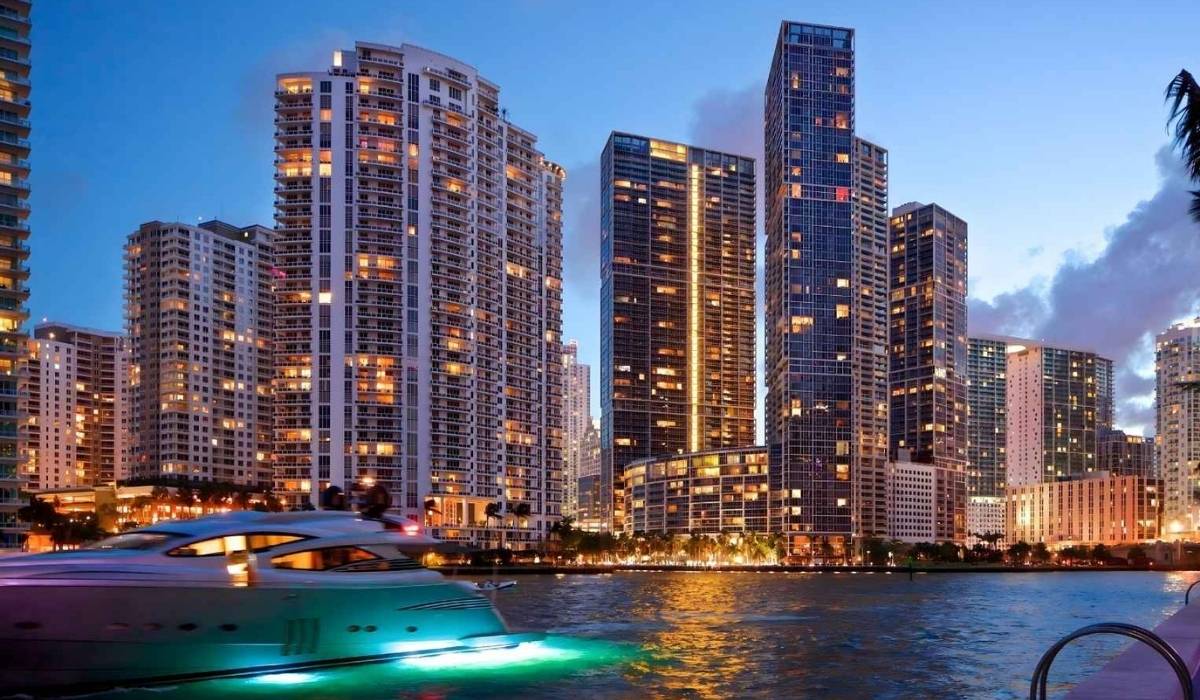
Within Florida, Miami stands out for its urban, international profile. Areas like Brickell, Downtown Miami, Edgewater, and Wynwood concentrate modern residential developments, high economic activity, and a dynamic rental market.
For the Ecuadorian investor, Miami offers:
- Direct investment in dollar-denominated assets, with no currency conversion
- High real estate liquidity
- A clear legal framework for foreign buyers
- Direct connectivity with Latin America
That said, the success of the investment depends on proper financial and operational analysis, beyond location alone.
Legal framework for Ecuadorian investors
An Ecuadorian citizen can buy property in the United States without needing residency or an investor visa. The process is fully legal, as long as the formal requirements are met:
- A valid passport
- Signing contracts under U.S. law
- Compliance with state and federal regulations
There are no restrictions based on nationality, but there are legal and tax obligations that need to be considered from the start.
Transferring funds and the ISD tax
Transfers are made via international wire. One key point for Ecuador is the Currency Outflow Tax (ISD, or Impuesto a la Salida de Divisas), which taxes money leaving the country: factor it into your cost calculation and check the current rate with your bank before transferring. The purchase money is deposited into a closing escrow account, not directly to the seller.
Taxes and tax planning
In the United States, you’ll pay annual property tax (which varies by county and value) and FIRPTA withholding when you sell. On the Ecuadorian side, there’s an important difference compared to other countries in the region: Ecuador taxes the worldwide income of its residents and doesn’t have a broad treaty with the United States to avoid double taxation, which makes tax planning especially important in this case. Choosing the right purchase structure (individual vs. legal entity) directly affects tax efficiency and asset protection. Check out the full details in our taxes for foreign investors in Florida guide.
This guide is informational and does not constitute legal or tax advice. Before buying, consult an accountant experienced in Ecuador-U.S. transactions.
Financing for foreign investors
Even though Ecuador uses the U.S. dollar, Ecuadorian investors can also access mortgage financing in the United States through lenders specialized in non-residents (foreign national loans) or DSCR loans. Typical conditions include:
- A 30-40% down payment, higher than for a resident
- Interest rates adjusted for the international profile
- Evaluation of income and assets generated outside the U.S., with no need for U.S. credit history
Integrating financing into a broader strategy helps optimize the use of your own capital. Check out the full details in our foreign national mortgage financing guide.
Strategic areas to invest in Miami
Brickell. Miami’s financial district, ideal for investors seeking stable rental income, strong demand, and condo-type properties aimed at professionals and executives.
Downtown Miami. An area undergoing urban transformation, with pre-construction projects and mid-term appreciation opportunities.
Wynwood. A creative, cultural area with sustained growth. Attractive for appreciation strategies, though it requires more detailed risk analysis.
Edgewater. A residential area on the bay, with modern projects and a more stable profile for long-term rental.
For the full breakdown of cap rate, tenant profile, and strategy by area, check out our Miami investment areas guide.

Returns on investment
Return on investment depends on multiple variables, not just the purchase price. Key factors include:
- Rental type (long-term or mid-term)
- Maintenance and HOA costs
- Local taxes
- Estimated vacancy
- Financing structure
As a reference: vacation rentals (where the community allows it) run around 7-9% cap rate, long-term rentals around 6-8%, and luxury pre-construction can deliver 10-12% appreciation at delivery, always calculated on net ROI. For Ecuadorian investors, comparing net returns in dollars against other investment alternatives is essential for making informed decisions.
Investing from Ecuador: operational considerations
Remote investing requires a clear management structure. Some essential elements include:
- Professional property management
- Regular, transparent financial reports
- Tax compliance from abroad
With proper planning, geographic distance doesn’t represent a barrier to control or investment efficiency.
Profile and goals of the Ecuadorian investor
In general, Ecuadorian investors are looking for:
- International diversification
- Wealth protection in dollars
- Legal stability
- Passive income in a strong currency
Miami meets these goals when the investment aligns with a well-defined strategy.
Common mistakes when investing without a strategy
- Buying without in-depth financial analysis
- Choosing areas based on informal recommendations
- Underestimating operating costs
- Not planning for taxes from the start, including the ISD when sending funds
- Confusing a low price with good returns
Avoiding these mistakes significantly improves results in the medium and long term.
Why specialized real estate advisory matters
Investing in U.S. real estate involves coordinating legal, tax, and financial aspects. Specialized advisory helps you define clear goals, compare different investment scenarios, reduce unnecessary risks, and make data-driven decisions. For the Ecuadorian investor, this guidance is a key factor for success.
Frequently asked questions
Can an Ecuadorian citizen buy property in Miami without a visa?
Yes. No residency visa is required to acquire real estate in the United States.
Miami or Orlando: which is better?
It depends on the investor’s profile. Miami is more urban and liquid; Orlando tends to focus more on residential investment.
What taxes apply to a foreign investor?
Property tax, income tax on rental earnings, and withholding upon sale. Tax planning is essential, especially since Ecuador doesn’t have a broad treaty with the United States to avoid double taxation.
Can a property be managed from Ecuador?
Yes, through property management companies in Miami.
Is there a minimum amount needed to invest?
It depends on the area, property type, and defined strategy.
Investing in Miami from Ecuador: strategy matters more than the property
Investing in Miami from Ecuador represents a solid opportunity to diversify wealth, protect capital in dollars, and access one of the most dynamic real estate markets in the United States. However, the results depend less on the specific property and more on the strategy behind the investment.
Analyzing the market, selecting the right areas, planning for taxes (including the ISD), and working with professional guidance helps reduce risk and build a sustainable real estate investment over time.
Ready to invest in Miami from Ecuador? Browse our investment properties in Miami, or go back to the full guide: Invest in Miami. We also have guides for investors from Colombia, Mexico, Chile, and Peru.