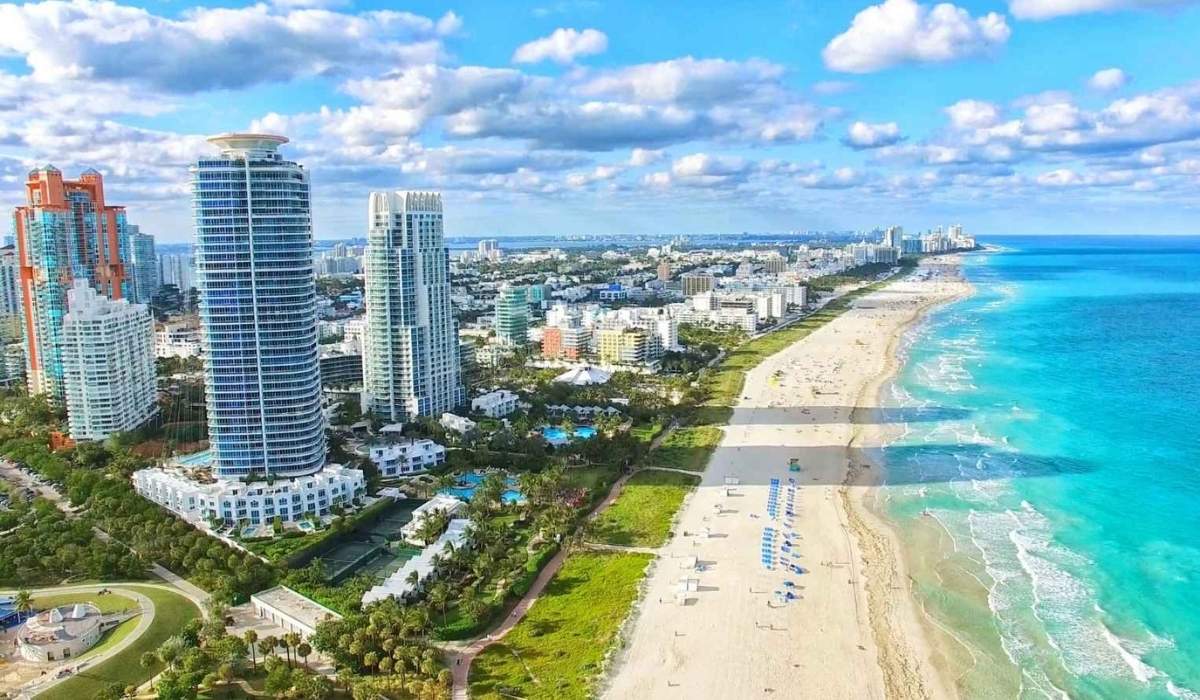
Building a real estate portfolio is one of the most common objectives among foreign investors seeking to generate recurring income, protect capital in U.S. dollars, and scale their wealth over time. In this context, Florida has positioned itself as one of the most attractive U.S. states thanks to population growth, economic dynamism, and a legal environment favorable to international real estate investment.
However, building a real estate portfolio goes far beyond purchasing a single property. It requires strategic planning, geographic diversification, profitability analysis, risk management, and proper legal and tax structuring. Many investors make the mistake of expanding without a clear strategy, limiting returns and increasing unnecessary risk.
This guide outlines a strategic approach to building a real estate portfolio in Florida, what to consider from the first acquisition, and how to scale in an organized and sustainable way.
Florida real estate market overview
Florida remains one of the top destinations for foreign real estate investment in the United States. Domestic migration, business relocation, job growth, and consistent housing demand continue to support market strength.
Cities such as Miami and Orlando attract most international investors, although they serve different objectives. Miami is known for its urban profile, liquidity, and appreciation potential, while Orlando offers residential stability and more predictable rental income.
For foreign investors, Florida provides:
- U.S. dollar–denominated assets
- A clear legal framework for international buyers
- Market and property-type diversity
- Opportunities for both short- and long-term growth
This environment allows investors to build portfolios tailored to different risk profiles and financial goals.
What it means to build a real estate portfolio
A real estate portfolio is a collection of properties intentionally designed to meet specific goals such as income generation, capital appreciation, and risk diversification.
Unlike a single purchase, a well-structured portfolio considers:
- Multiple property types
- Different locations
- Various income sources
- Financing and reinvestment strategies
The goal is not simply to buy more properties, but to buy strategically.
Key components of a strong real estate portfolio
Defining investment objectives
Before acquiring any property, investors should clearly define:
- Investment horizon (short, medium, or long term)
- Acceptable risk level
- Primary goal (income, appreciation, or balance)
These criteria guide all future investment decisions.
Geographic diversification within Florida
Concentrating a portfolio in a single city increases risk. A common strategy is to combine markets such as:
- Miami: appreciation, liquidity, and urban demand
- Orlando: residential stability and long-term rental income
Geographic diversification helps balance performance and risk.
Diversification by property type
A balanced portfolio may include:
- Urban condominiums
- Single-family homes
- Long-term rental properties
- Pre-construction developments
Each asset type responds differently to market cycles.
Profitability and ROI analysis
Portfolio growth must be based on realistic numbers. Investors should evaluate:
- Net rental yield
- Monthly cash flow
- Operating costs
- Taxes and ownership expenses
- Risk-adjusted return on investment (ROI)
Scaling without this analysis often limits long-term success.

Strategies to scale a real estate portfolio
Strategic use of financing
Access to financing for foreign investors allows them to:
- Preserve liquidity
- Accelerate asset acquisition
- Improve return on invested capital
Debt should always align with the overall investment strategy.
Reinvesting cash flow
Reinvesting income generated by existing properties is an efficient way to grow a portfolio gradually without relying solely on new capital injections.
Periodic strategy review
A real estate portfolio is not static. Regular reviews are necessary to:
- Evaluate individual asset performance
- Adjust locations or property types
- Rebalance risk and returns
Legal and tax considerations
For foreign investors, tax and legal structuring is a core element of portfolio performance. Key considerations include:
- Ownership structure (individual or legal entity)
- Rental income taxation
- Withholding taxes upon sale
- Long-term tax planning
Poor structuring can significantly reduce net portfolio returns.
Common mistakes when building a real estate portfolio
Frequent mistakes include:
- Purchasing properties without a unified strategy
- Concentrating assets in a single market
- Underestimating operating expenses
- Ignoring tax planning
- Scaling too quickly without financial control
Avoiding these errors is critical to building a sustainable portfolio.
The importance of strategic real estate advisory
Building a real estate portfolio in Florida requires coordination across financial, legal, and operational decisions. Specialized advisory support helps investors:
- Design strategies aligned with real objectives
- Evaluate opportunities with professional criteria
- Reduce unnecessary risk
- Scale portfolios in an organized manner
For foreign investors, professional guidance often determines long-term success.
Frequently asked questions
What qualifies as a real estate portfolio?
A group of properties acquired under a defined strategy to generate income and long-term wealth.
Can a portfolio be built from abroad?
Yes. With proper structuring and professional management, remote investment is fully viable.
Is it better to start in Miami or Orlando?
It depends on the investor’s profile. Miami offers appreciation; Orlando offers residential stability.
How many properties make a portfolio?
There is no fixed number. Strategic coherence matters more than quantity.
Is financing necessary to build a portfolio?
Not mandatory, but it can be a strategic tool for scaling.
Building a real estate portfolio in Florida is a solid strategy for foreign investors seeking recurring income, diversification, and long-term wealth growth in U.S. dollars. However, success depends less on the number of properties and more on the strategy connecting them.
Clear objectives, market diversification, profitability analysis, and professional advisory support allow investors to build sustainable real estate portfolios designed for long-term performance.
Ready to build your real estate portfolio in Florida with strategic guidance?
and receive personalized guidance based on your investment profile.